Why Blood Sugar Has Become Such A Growing Health Concern
It usually starts with energy after meals — not with a lab printout. Researchers, meanwhile, keep returning to one familiar spice: cinnamon.
By Elena WardSept. 30, 2026 | 6 min read
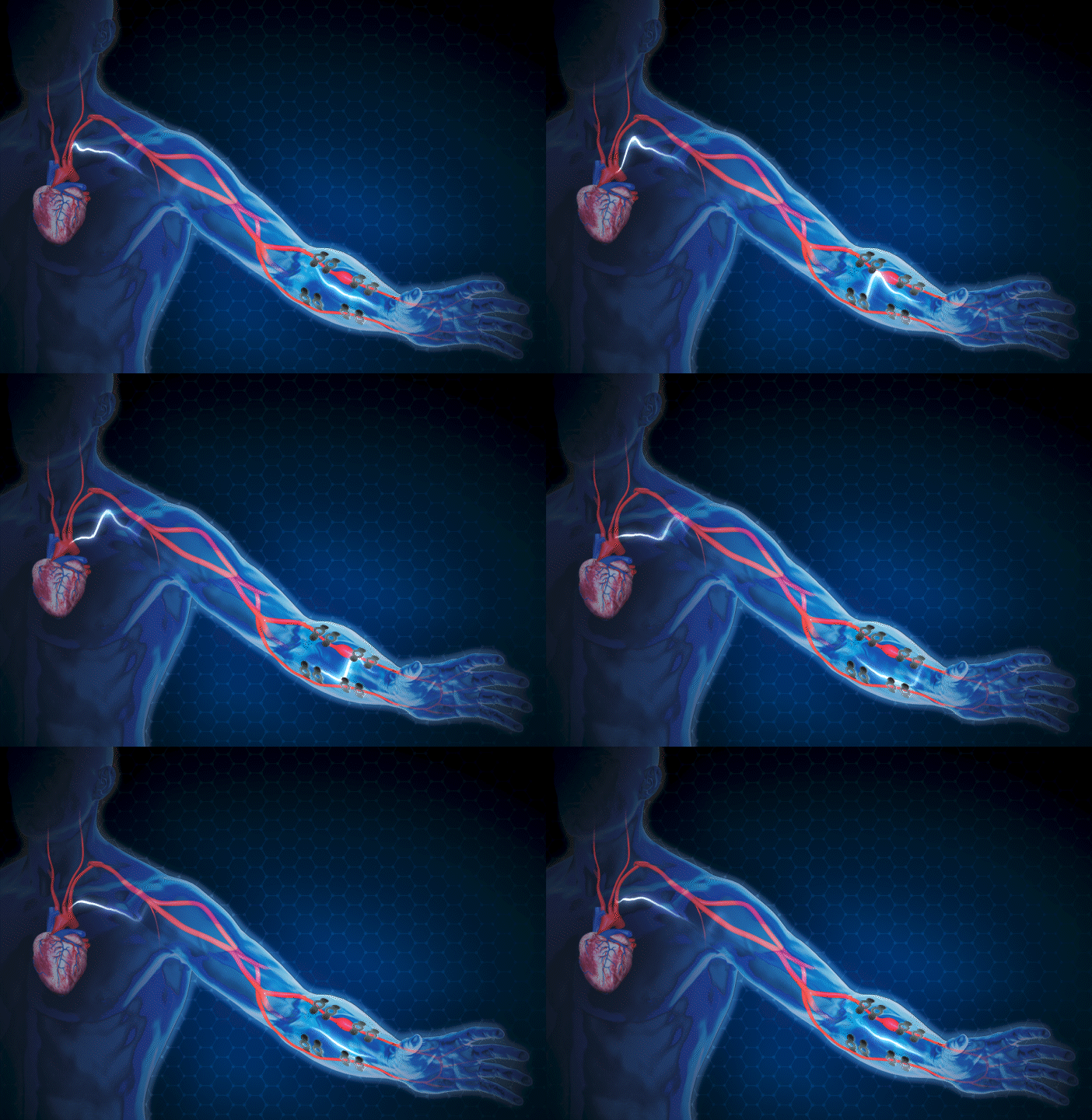
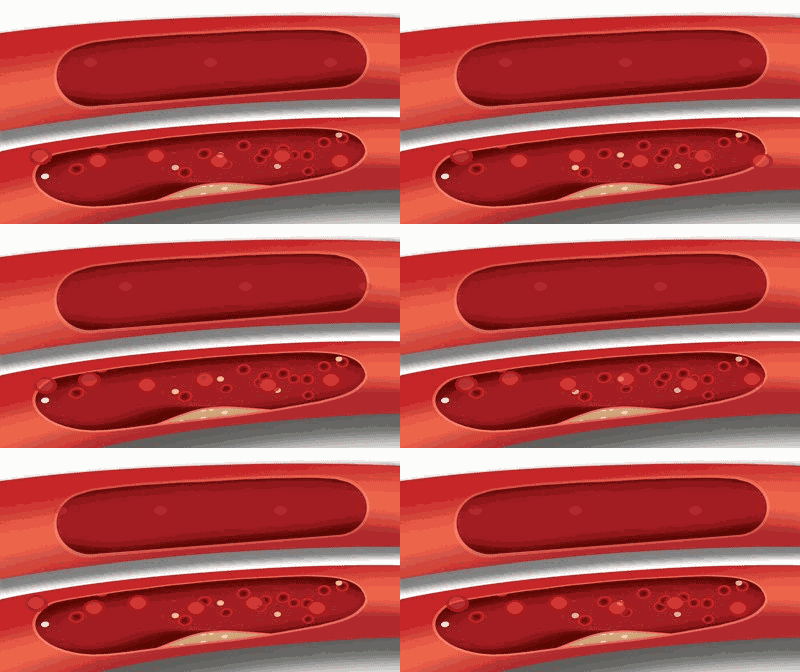
Glucose rides the same bloodstream these illustrations show moving through the heart and vessels. Illustration.
The 3 p.m. slump, the extra coffee, the sense that lunch does not “hold” — that is where most people first bump into blood sugar. Not in a waiting room. In the middle of an ordinary day.
Glucose is everyday fuel. After you eat, it enters the blood and has to be moved into cells. When that handoff is smooth, you barely notice. When diet, sleep, inactivity, or age put the system under strain, the day can feel choppy. That is not a diagnosis. It is why metabolic health has become a mainstream topic in the U.S., and why a measured Ceylon cinnamon formula such as Metabolae now appears in the same conversation — as nutrition, not as medicine.
Cinnamon sits near the top of the botanical list because it is familiar. The evidence is not settled.
In 2024, Phytotherapy Research published an updated systematic review and dose-response meta-analysis of 24 randomized controlled trials on cinnamon supplementation and glycemic control in people with type 2 diabetes. The authors noted that earlier results had remained inconclusive, which is why they pooled the data again.
That analysis reported statistically significant changes, versus control, in some glucose-related markers — fasting blood sugar, HOMA-IR, and HbA1c. Serum insulin did not change significantly. The trials used different cinnamon types, doses, and formulas, so the finding is mixed rather than definitive.
The National Center for Complementary and Integrative Health (NCCIH) is more conservative: many studies exist, especially for diabetes, but they are hard to interpret, and the research does not clearly support using cinnamon for any health condition.
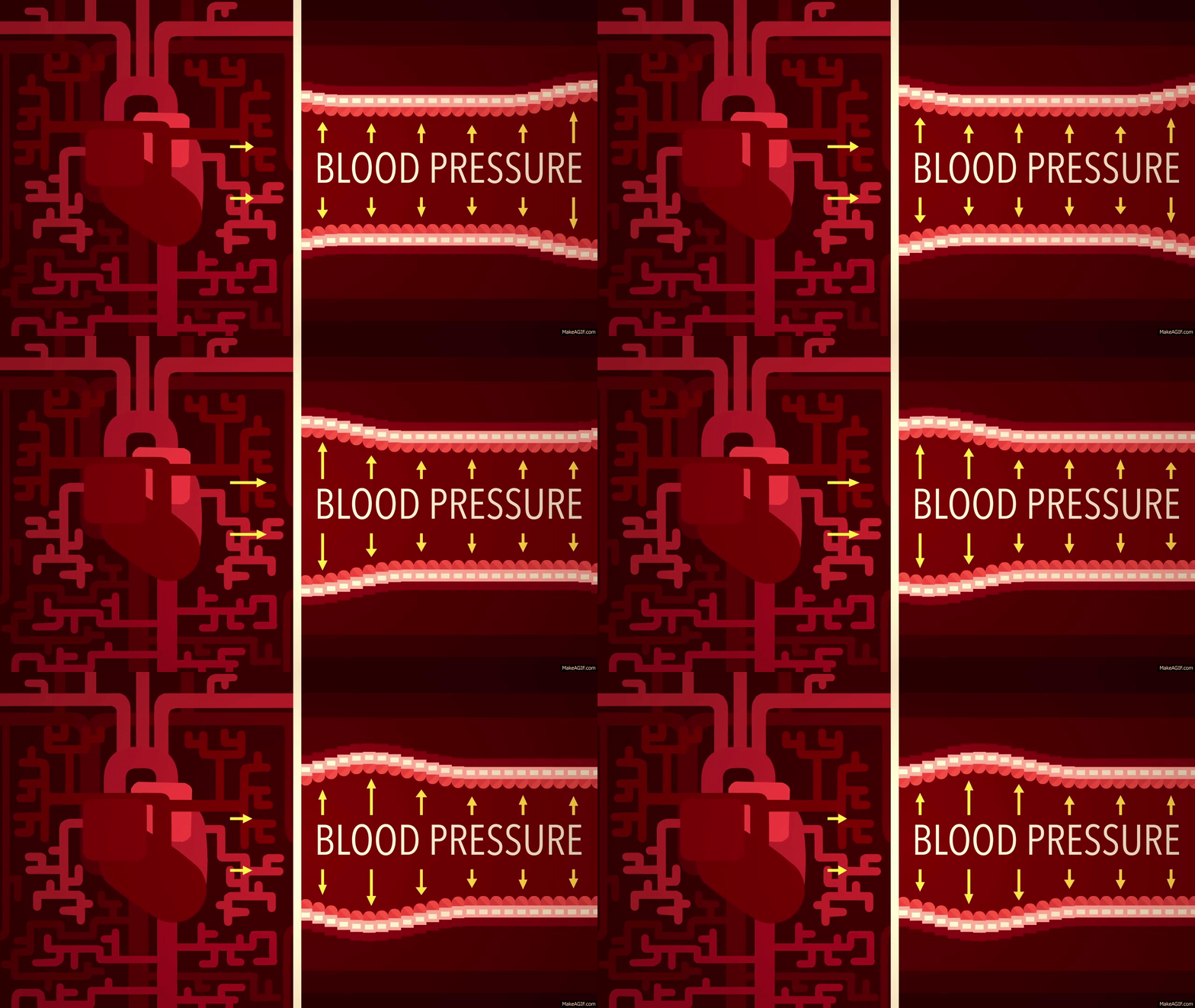
Flow and pressure are how many of us picture the inside of the body. Glucose is one of the cargoes that blood is carrying while that flow continues. Illustration.
Curiosity about how fuel moves through the body is reasonable. Treating a disease is a different conversation — with a clinician, not a supplement label.
But There’s One Detail Most People Miss
“Cinnamon” on a label is not one ingredient. NCCIH separates two common types.
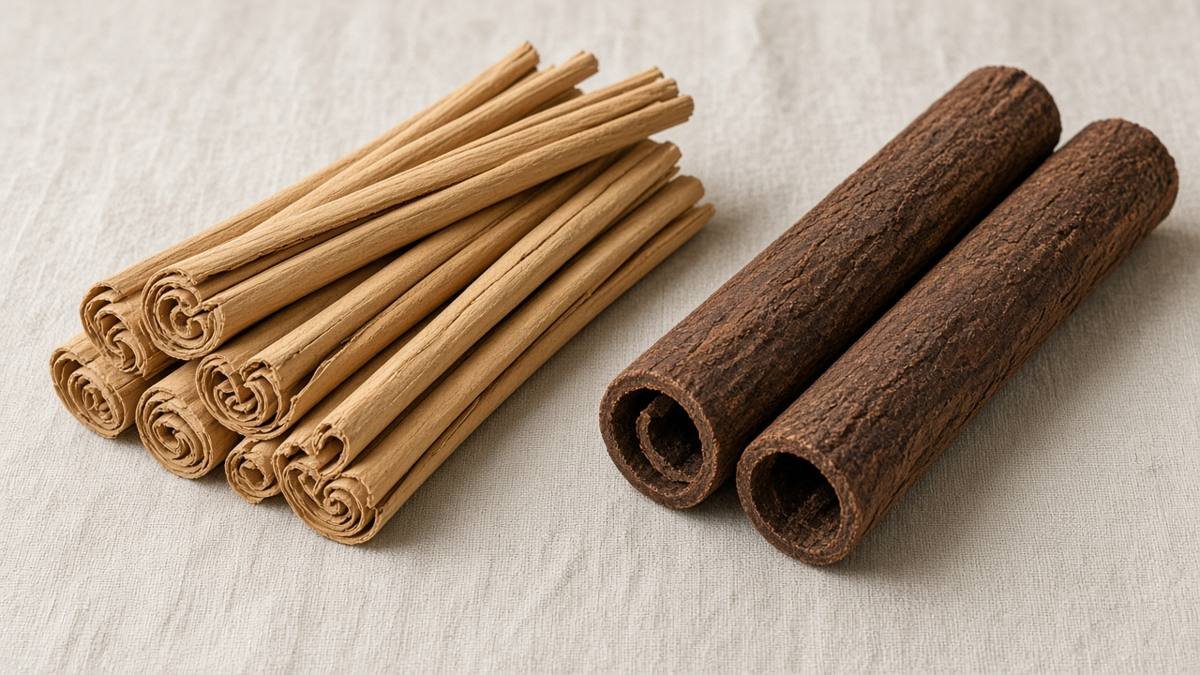
Ceylon (Cinnamomum verum), often called “true” cinnamon, is grown primarily in Sri Lanka. The quills are thinner, paler, and layered. It typically contains only a trace of coumarin.
Cassia (Cinnamomum aromaticum) is what most U.S. grocery jars contain. The sticks are thicker and darker. Cassia can carry more coumarin, a compound that in higher amounts has been associated with liver concerns in sensitive people.
For a pinch on oatmeal, the distinction may not matter much. For a daily capsule, it is the first question worth asking — and labels do not always answer it.
Left, the thinner layered quills typical of Ceylon; right, the thicker bark more often sold as cassia.
Ceylon
Cinnamomum verum Layered, lighter bark. Typically very low in coumarin.
Cassia
Cinnamomum aromaticum Thicker, darker bark. The common grocery-store cinnamon in the U.S.
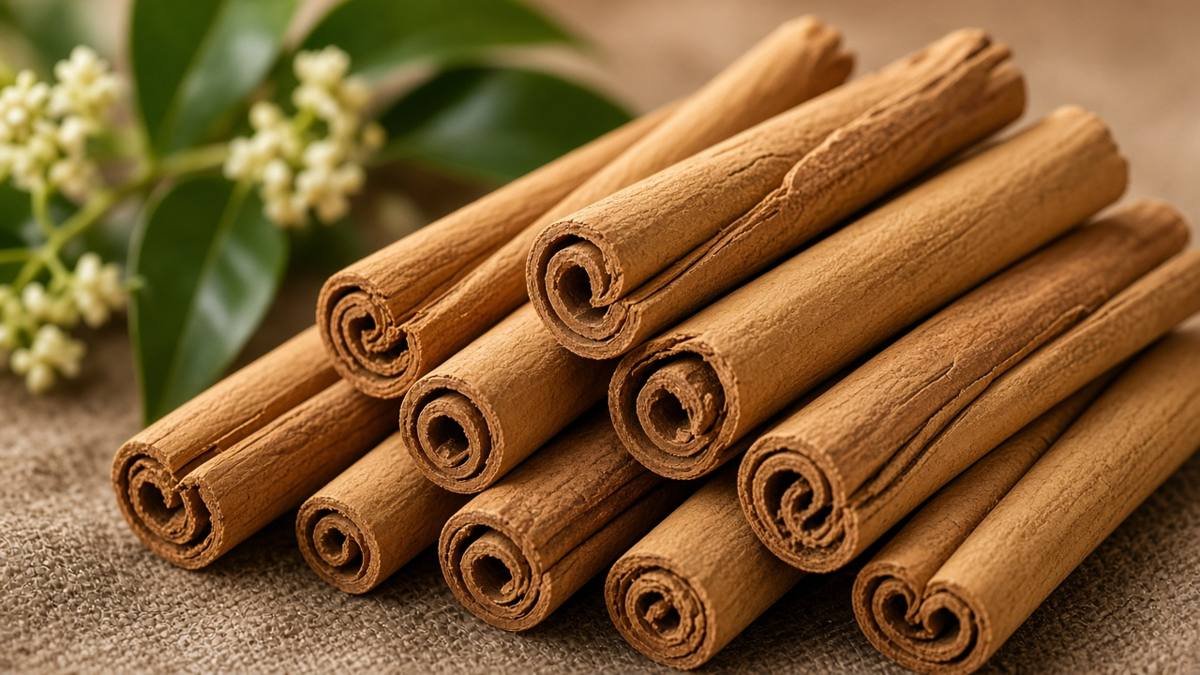
Ceylon cinnamon — the species listed in the Metabolae formula.
Where Metabolae Fits
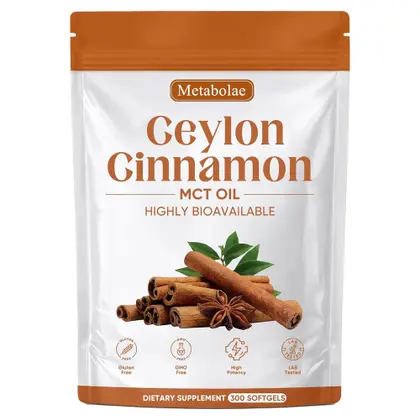
If you want Ceylon in a serving you can count, that is what Metabolae is for: one daily softgel, not a guess from the spice rack. It is a dietary supplement. It is not intended to diagnose, treat, cure, or prevent any disease — including diabetes or high blood pressure.
600 mg Ceylon cinnamon extract
12:1 concentrated extract
7,200 mg raw Ceylon equivalent
MCT oil as the carrier
1 softgel per serving
7,200 mg is a raw-cinnamon equivalent, not 7,200 mg of powder in the capsule: 600 mg of a 12:1 extract × 12 = 7,200 mg. The studies above looked at cinnamon as an ingredient, in mixed products and doses. They are not a trial of this pouch.
Vessel illustrations make an invisible system visible. They are also easy to over-read. Cinnamon research has focused mainly on glycemic markers, and even there NCCIH says the story is unfinished. Blood pressure sits in a neighboring conversation. Watching blood move is not the same as treating it.
The same highway. A different question than whether a spice can treat blood pressure. Illustration.
Want To Take A Closer Look?
If you are still at “what’s actually in the serving?”, that is the right place to be. Formula and details are here — as nutritional support you can inspect, not as a stand-in for diet, medication, or a clinician.
Each serving is one softgel with 600 mg of 12:1 Ceylon cinnamon extract — a 7,200 mg raw-cinnamon equivalent — delivered in MCT oil. True Cinnamomum verum from Sri Lanka, not grocery-store cassia. A nutritional supplement, not a treatment for diabetes.